Tax Planning for Financial Advisors: How to Market Your Services for Growth

First, the good news: Almost half of all advisory firms now offer tax planning services.

The bad news: Most firms still struggle to articulate the value of those services in a way that’s compelling to clients and attractive to prospects.

The problem isn’t in the services themselves. Both financial advisors and their clients see value in proactive tax planning as part of a comprehensive client experience. The problem is the way firms deliver their message.

This article will give you a practical communication framework so you can effectively market your tax planning services and use tax as a growth lever in your business.


Demand for Tax Planning is Clear, but Messaging Isn’t

According to Cerulli, there’s no question about client demand for tax planning from their advisory team. While roughly 47% of advisors offer tax planning, almost 70% of affluent investors want their advisor to offer services that help reduce their tax bill.

It’s no wonder: For a high-net-worth client, taxes are often their single largest ongoing expense. This opportunity is growing  and it extends across every generation of clients you serve. 

The current gap, however, is that most firms don’t have a clear advisor value proposition tied to tax planning. Firms have had years of practice to explain why their investment process is unique and how financial planning contributes to their client experience, but tax planning has still occupied a space on the sideline.

And when a business doesn’t have a consistent way to talk about a service, what do they do? They wing it. And when that happens, they not only miss out on opportunities to attract and convert new business, but they also put themselves in line for compliance risk.


How to Compliantly Market Tax Planning Services

As with marketing other services you offer, like investment management, the best way to market tax planning services is to focus on strategy, not performance.

There’s a line every firm needs to walk between creating client education on tax planning and publishing content that could be taken as prescriptive advice. It’s critical for firms to draw that line clearly. 

Here are three practical ways you can market tax planning effectively, without conflicting with compliance guardrails:

  1. Know your firm’s specific policies before publishing any tax-related content. In December 2025 the SEC published a Risk Alert that made it clear marketing compliance is an examination priority. While all firms operate under the same rule set, different compliance officers have different comfort levels and interpretations. Start here.
  2. Defer specific tax determinations to a qualified tax professional. This doesn’t mean you can’t leverage case studies or testimonials. It does mean, however, that you should cite disclosures appropriately and use this as an opportunity to prompt prospects to meet with you for their personalized analysis. And when that comes, whether it’s a CPA on your team or an accounting firm you work with, put the right person in the room. 
  3. Lead with strategy, not promises about outcomes. This mindset should be ingrained in every advisor by now, but it still bears repeating. It’s as simple as saying “We help you understand what’s happening with taxes” instead of making a claim like “We’ll reduce your tax bill.”

With the compliance framework in place, you can move on to building a compelling message.


How to Create a Value-Based Message for Tax Planning

If you want your firm to win business with tax planning, you have to create a message that is proactive and consistent. Describing tax planning reactively or only when clients ask for it won’t contribute to your growth.

Great messaging comes down to speaking with specificity about what you do, who you serve, and how they benefit from your services.

Here’s how that framework translates to a strong tax planning value message.

  • What you do: Name the specific services you offer and discuss the benefits that clients get from what you do. You may nod to tax-loss harvesting, Roth conversion analysis, distribution sequencing, and even the integration of estate plan coordination with tax analysis. Whatever you describe, be specific and write in plain language that your least financially savvy client would immediately understand.
  • Why it matters: Translate your services into compliant client outcomes. This is the most important piece of winning messaging. If you stop at describing what you do and not why it matters, you won’t move prospective clients to take action.
  • When you do it: Most clients think of taxes as a once-a-year event. The reality is that tax planning is a year-round process. It influences day-to-day decisions and is influenced by those daily activities. Framing your tax services as a consistent, constant part of your value can differentiate your firm from advisors who approach it as a one-time event.

The three-part framework described above can help you create a communication strategy around your tax planning services that connects with real client needs.


Make Tax Planning Scalable with Client Education

A tax message only creates value if it reaches clients consistently. By creating content that puts your firm in front of prospects and clients more often, you increase your chances of strong organic growth.

The following lightweight framework can’t replace a comprehensive marketing strategy for your firm, but it does give you a guide for how to turn tax content into repeatable client touchpoints.

Here are several scalable content formats you can leverage:

  • Quarterly tax updates tied to real events: Send a brief, timely communication connected to real events such as a provision from the OBBBA or a deadline your clients need to know is coming. The key word is brief. This is a targeted communication that shows you are watching the tax landscape on your clients’ behalf and that proactive planning is how you work.
  • Use your client portal as a communication channel: Most advisors underutilize the most direct line they have to clients. A secure client portal gives you the ability to push timely, relevant information to all clients simultaneously. Use it to share tax planning summaries after key meetings, flag emerging opportunities between reviews, or deliver a brief year-end planning checklist.
  • Tax content on your blog to build credibility. A well-maintained blog is one of the most efficient client education tools available to advisors. A short, well-written post on Roth conversion timing, tax-efficient withdrawal sequencing, or what major legislative changes like the OBBBA mean for a specific client profile does two things simultaneously: it reinforces your expertise with existing clients and creates a searchable, shareable record of your thinking for prospective clients doing their research. You can also supplement your blog by sharing expert-led discussions from resources like The Practical Planner Podcast, which covers advanced tax and estate strategies in plain English.


Quick Start Guide

  • Audit Your Collateral: Review your website and pitch decks. Replace any “we’ll reduce your tax bill” promises with “we’ll help you understand and optimize your tax strategy” to stay compliant.
  • Create a “Tax Alpha” One-Pager: Develop a simple PDF that lists the specific tax strategies you offer (e.g., Roth conversions, tax-loss harvesting, OBBBA-driven changes) and the “Why it Matters” for each.
  • Segment Your Outreach: Don’t send the same tax update to everyone. Create different versions of your blog or email updates for Retirees (focus on RMDs) versus Business Owners (focus on liquidity and entity planning).
  • Schedule a “CPA Sync”: Proactively reach out to your clients’ tax professionals. Aligning on strategy early in the year prevents “surprises” in April and reinforces your role as the lead strategist.
  • Automate Data Collection: Stop “chasing” tax returns. Use a tool to securely ingest Form 1040s or W-2s so you can spend your time on strategy rather than data entry.


The Wealth.com Tax Planning Experience

The missing link in tax marketing is often the delivery. While you can talk about a year-round process, Wealth.com provides the technology to actually show it.

  • Look Back, Look Forward: Wealth.com doesn’t just summarize past returns; it generates Baseline Reports that recalculate historical data against future tax rates, helping you model “what-if” scenarios instantly.
  • The “Ester” Advantage: Use Wealth.com’s AI legal assistant, Ester, to extract and visualize data from complex documents, turning a PDF into an actionable client conversation in minutes.
  • Integrated Workflow: Connect your tax strategies directly to your client’s estate plan to show the “Roth Ripple Effect”—the compounding benefit of tax-free growth for future generations.

The advisors who do this well are not creating more work for themselves. They are turning their tax planning expertise into a structured and repeatable communication system  that drives measurable growth over time.

That systematic approach to work is exactly what your technology should support. Wealth.com gives you a platform to connect estate and tax planning conversations to the broader client relationship, so the touchpoints described in this article become part of an integrated workflow, not a separate effort layered on top of an already full practice.

To learn how Wealth.com integrates estate and tax planning into a unified experience, visit wealth.com/tax.

EstateCon 2026: The Top 10 Product Announcements Shaping the Future of Planning

In front of a sold-out in-person audience, with more than 2,000 joining virtually, Wealth.com opened its annual product keynote with insights from Chief Product Officer Danny Lohrfink, SVP of Product Nicole McMullin, and CEO Rafael Loureiro.

As he noted in his opening remarks, we are in the middle of the largest wealth transfer in history, with $124 trillion changing hands. Yet the industry still relies on tools not designed for this moment. Fragmentation creates friction and missed outcomes, preventing planning from compounding and scaling.

To solve this, we unveiled new advisor updates, integrations, and Wealth.com Tax Planning. Here are the top 10 announcements from the EstateCon 2026 Product Keynote.

  1. Introducing Wealth.com Tax Planning

The headline of the event was the official launch of Wealth.com Tax Planning. Historically, tax and estate planning have lived in separate silos, but we know these decisions are inseparable. This new module unifies them, allowing advisors to model how tax strategies—like exercising options or relocating—directly shape the legacy a client leaves behind.

  1. A Landmark Integration with Goldman Sachs Custody Solutions

Opening a trust account has traditionally been a tedious process defined by manual data entry. By integrating Wealth.com with Goldman Sachs Custody Solutions (GSCS), advisors can now move from document review to account funding in a single, unified workflow.

Leveraging Ester®, the first AI assistant specifically trained in estate planning, the system automatically extracts key trust details—such as grantors, trustees, and beneficiaries—directly from legal documents to pre-fill account applications. Advisors can open trust accounts, link bank accounts, and initiate ACAT transfers without ever leaving the Wealth.com dashboard.

  1. In-App Deed Preparation

One of the most persistent challenges in estate planning is the funding gap, the period after a trust is created but before assets, especially real estate, are formally transferred into it. Historically, deed transfers required outside attorneys, manual title research, and months of coordination.

To eliminate that friction, we launched In-App Deed Preparation. Clients can now initiate deed transfers directly within their Wealth.com portal and complete the process in days, not months, and with coverage across every county in all fifty U.S. states.

The entire experience is client-led. Clients select their properties, choose their timeline including a 48-hour rush option, schedule a mobile notary at their convenience, submit payment by credit card, and notarize their entire Wealth.com estate plan in one coordinated step.

  1. Meeting Intelligence: Jump, Zocks, and Zoom AI

Planning shouldn’t start with data entry; it should start with listening. We announced new integrations with Jump, Zocks, and Zoom AI that turn meeting transcripts into actionable data. If a client mentions a liquidity event or a move during a call, that context flows directly into their Wealth.com profile without you having to type a word.

  1. Ester Becomes Consequence-Aware

Our AI assistant, Ester, has evolved beyond simply extracting information from documents. She now understands consequences, and soon, policy. During the keynote, we showed Ester analyzing a 50-page trust in seconds, flagging real risks such as ambiguous distribution language and potential trustee conflicts. But coming in April, Ester goes a step further.

Advisors will be able to simply ask:
“What if the leading Democratic candidates in New York City were to enact their proposed policies? How would my clients be impacted?”

In seconds, Ester will do what an analyst would normally spend an entire day on. First, she reviews the latest polling data to identify the leading candidates. Next, she researches their proposed legislative agendas, with a focus on personal finance issues such as income and estate taxes. Finally, she analyzes those proposals against the client’s actual circumstances, their real balance sheet and their actual estate plan.

The output is a clear, side-by-side view of how potential policy changes could impact a client’s financial outcomes, translating abstract policy into real dollars and real decisions.

  1. The New Report Builder & Visual Flowcharts

We have completely rebuilt how estate plans are visualized . The new Report Builder moves away from static PDFs to create living flowcharts. These visuals show exactly how assets move and when trusts activate, ensuring clients truly understand their plan.

  1. Integrating Alternatives with Arch

Building on our robust suite of integrations with eMoney, Addepar, and BlackDiamond, we announced an upcoming integration with Arch. This will allow advisors to seamlessly capture hundreds of alternative investments owned by HNW clients and incorporate them directly into the planning process.

  1. Major milestones in estate planning at scale

Wealth.com announced:

    • Over 100,000 estate plans completed

    • Coverage across all 50 states

    • Average completion time under 30 minutes

    • 94 percent start-to-completion rate

  1. Side-by-Side Scenario Comparisons

Clients often ask, “What if I moved?” Now, you don’t have to guess. Our new comparison tool lets you run scenarios—like a move from New York to Florida—side-by-side. The system instantly calculates the differences in income tax, estate tax, and family outcomes.

  1. Compounding Estate Impact Metrics

Finally, we introduced a metric that changes how clients view tax strategy. When you model a decision—like a Roth conversion—Wealth.com now explicitly shows how that choice impacts the estate size decades in the future. It’s the power of compounding, made visible.


The Future is Already Here

As Rafael said in his closing, this isn’t an academic exercise. It’s about giving families certainty and ensuring that fragmentation never gets in the way of compounding. Ready to see these features in action?

Watch the EstateCon Keynote Replay


A Curated Guide to Client Holiday Gifting for Advisors

Holiday gifting is one of the few “high touch” moments on the calendar that every client expects, yet few advisors use strategically. The right gift can quietly reinforce your value, signal that you understand what matters to a family, and open conversations about goals, legacy, and well-being.

Below is a curated list of thoughtful, modern ideas across a range of price points. Each is designed to feel personal, elevated, and aligned with a fiduciary, planning-forward mindset.



1. Charitable Giving Card in the Client’s Name

Ideal for: Philanthropically minded households, business owners, and clients who prefer “less stuff.”

Suggested range: Approximately $25 to $250, adjusted for your firm’s limits.

Where to buy:

Why it works

A charity gift card lets clients direct funds to causes they care about, which makes the gesture feel values-aligned rather than transactional. It reflects well on your practice because it frames generosity and impact as part of the planning conversation, not an afterthought. Clients often share with you why they chose a specific charity, creating a natural opportunity to discuss legacy planning, donor-advised funds, or structured giving strategies in the new year.

 

2. Gourmet Food Gift Box

Ideal for: Food lovers, multi-generational families, and clients you rarely see in person.

Suggested range: Wide range, from under $50 to premium boxes.

Where to buy:

Why it works

A curated food box feels celebratory, shareable, and easy for you to scale across a book of business. Services like Goldbelly ship regional specialties and restaurant-level experiences nationwide, which makes the gift feel more considered than a generic basket. When families enjoy it together, your name is associated with a moment of connection rather than simply a logo on a tin. For top households, you can tailor boxes to dietary preferences or hometown favorites, signaling that you remember the details.

 

3. Legacy Storytelling or Memoir Service

Ideal for: Long tenured clients, retirees, and family matriarchs or patriarchs.

Suggested range: Mid-tier, roughly $75 to $150.

Where to buy:

Why it works

Services like StoryWorth email weekly prompts, collect stories, and compile them into a printed book. Framed as “a way to preserve your family stories,” this gift aligns naturally with your role in helping clients protect both financial and non-financial legacies. It conveys that you see the client as a whole person, not just an account. Discussing the stories during future meetings can deepen multi-generational relationships and keep you top of mind with heirs who read the finished book.

 

4. Personalized Stationery or Note Cards

Ideal for: Executives, professionals, and clients who value thoughtful communication.

Suggested range: Typically $40 to $100 for a boxed set.

Where to buy:

Why it works

A set of personalized stationery is both practical and elevated. It reinforces the idea that handwritten notes still matter, which complements the way many advisors nurture relationships. Minted and similar services offer high quality paper and modern designs, so the gift feels tailored rather than generic. When clients use the stationery to write to their own network, your name is associated with something they are proud to send.

 

5. Professional Family Photo Session Gift Card

Ideal for: Families with children, milestone years, or clients who have moved or downsized.

Suggested range: Premium, typically $250 and above, depending on the market.

Where to buy:

Why it works

Professional photos are something many families want but rarely prioritize. A photo session gift card can be framed as “capturing the people you are really planning for.” Services like Flytographer connect families with vetted photographers in hundreds of cities, which is especially helpful for clients who travel frequently. The resulting images may end up displayed at home for years, turning your gift into an ongoing reminder of the relationship.

 

6. Custom Photo Book or Legacy Album

Ideal for: Established clients, new grandparents, and families experiencing big life transitions.

Suggested range: Roughly $40 to $150 depending on size and format.

Where to buy:

Why it works

A gift credit for a premium photo book encourages clients to curate and print their memories instead of leaving them on phones. Artifact Uprising, for example, focuses on archival materials and modern design, which makes the finished books feel like true keepsakes. That pairs naturally with conversations about legacy, guardianship, and what clients want their families to remember. Offering to cover a book after a major life event, such as a wedding or birth of a grandchild, shows you are paying attention.

 

7. Mindfulness or Meditation App Subscription

Ideal for: High-stress executives, caregivers, and clients navigating major transitions.

Suggested range: Typically $50 to $100 for a one year gift subscription.

Where to buy:

Why it works

Gifting a mindfulness app says, “I care about your well-being, not just your balance sheet.” Both Calm and Headspace offer guided meditations, sleep content, and stress management resources that many clients will actually use, especially during a hectic holiday season. It reinforces the idea that your role includes supporting good decision-making, which is easier when clients feel rested and regulated.

 

8. Online Learning Membership for Personal or Professional Growth

Ideal for: Lifelong learners, entrepreneurs, and rising professionals.

Suggested range: Mid to premium tier, often around $100 to $200 annually.

Where to buy:

Why it works

An online learning membership aligns cleanly with the theme of growth. MasterClass, for example, bundles classes across business, leadership, creativity, and wellness that can complement your planning work in areas such as career transitions or business strategy. Invite clients to share what they are learning in your next review meeting. That keeps conversations future-focused and positions you as a partner in their broader aspirations.
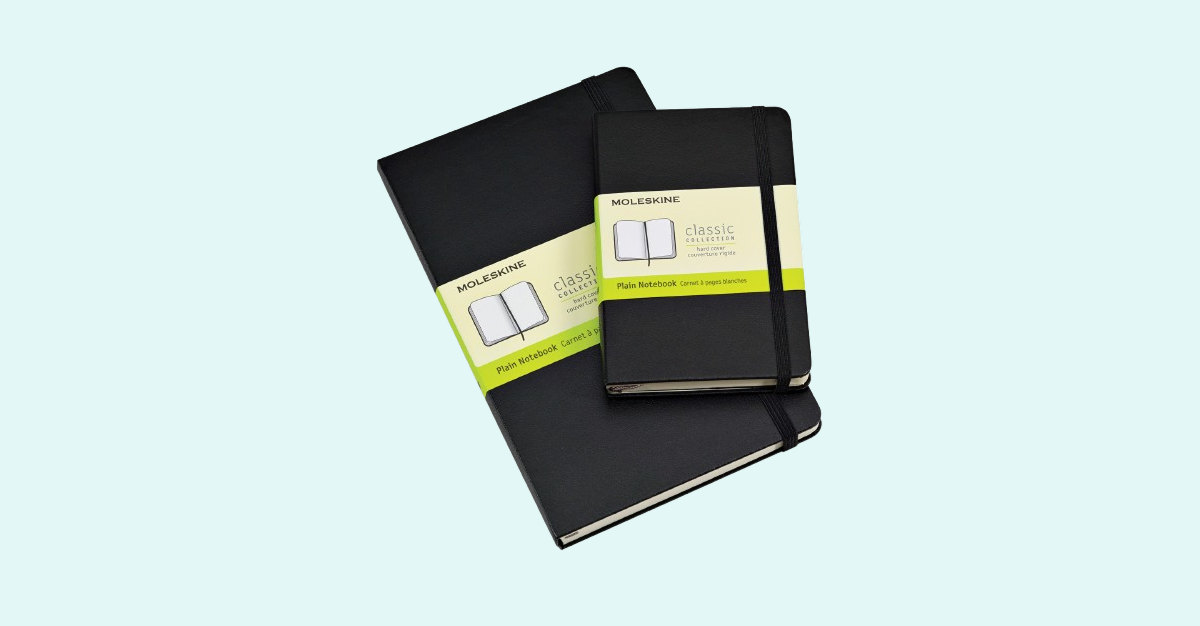
 

9. Elevated Desk Set: Notebook and Pen Clients Will Actually Use

Ideal for: Business owners, professionals, and clients who still work full time.

Suggested range: Roughly $50 to $150 for a notebook and pen combination.

Where to buy:

Why it works

A well made notebook and pen set is something clients can use daily, which keeps your relationship subtly present in their workspace. Choosing neutral, timeless designs avoids anything that feels overly branded. This type of gift aligns with planning conversations where you encourage clients to capture goals, questions, or “parking lot” items between meetings. It conveys respect for their time and work, and it feels appropriate at a wide range of asset levels.
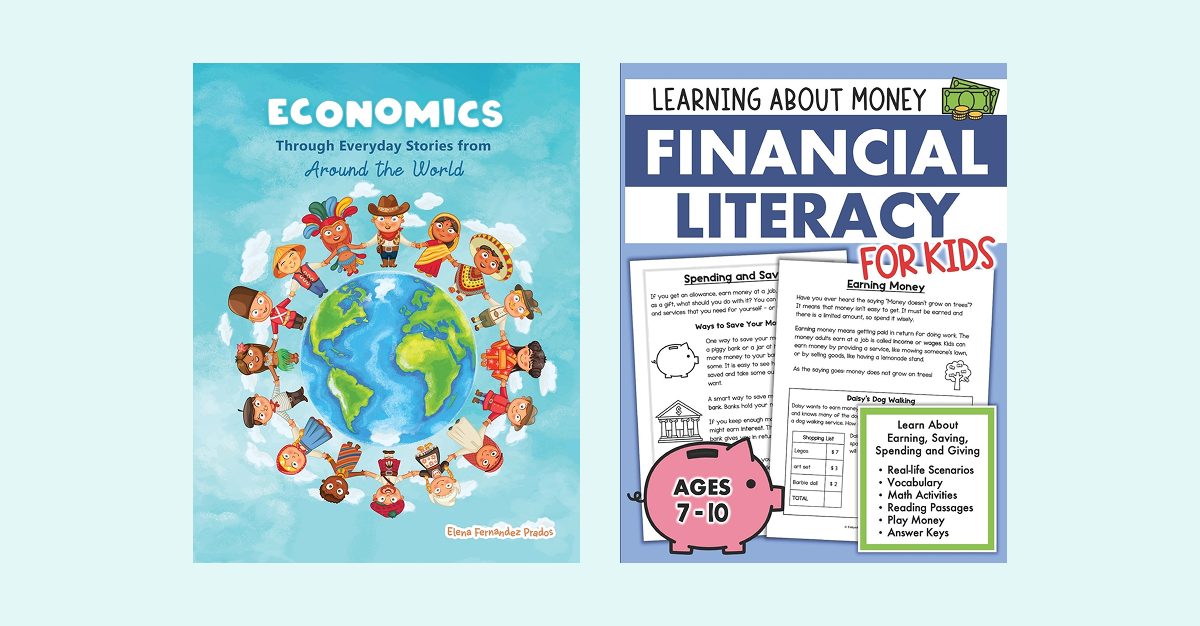
 

10. Financial Literacy Bundle for Children or Grandchildren

Ideal for: Multi generational planners, grandparents, and clients focused on legacy values.

Suggested range: Typically $30 to $100.

Where to buy:

Why it works

A small bundle that might include an age-appropriate money book, a savings jar, or a “first investment” themed journal shifts the holiday conversation toward financial literacy for the next generation. Sourcing books from services that support independent bookstores, such as Bookshop.org, can also appeal to socially conscious clients. You can follow up by offering a short family meeting on basic investing or budgeting, which positions you as a resource for the entire family, not just the primary account holder.

 

11. Local Experience or Dining Gift Card

Ideal for: Busy professionals, new parents, or clients who value time together more than physical items.

Suggested range: Flexible, often $100 to $300 dollars for a meaningful outing, adjusted to your policy limits.

Where to buy:

Why it works

Experiences create memories and give clients something to look forward to in the new year. A thoughtfully chosen restaurant or a flexible travel card communicates that you want them to enjoy the wealth they have worked to build. For households that travel frequently or split time between locations, an experience-centric gift also aligns with conversations about lifestyle planning. When you reference the outing at your next meeting, it invites a more personal recap than a traditional check-in.

 

12. Handwritten Year in Review Note with a Small, Personal Keepsake

Ideal for: All clients, especially when paired with other gifts for top households.

Suggested range: Very budget-friendly; often under $25 per client, depending on the keepsake.

Where to buy:

  • Personalized ornaments or small keepsakes on Etsy

Why it works

Even when you opt for more substantial gifts, a handwritten note summarizing the year, acknowledging key milestones, and expressing appreciation is often what clients remember most. Pairing it with a small, meaningful object such as a personalized ornament or simple desk item adds a tangible reminder without feeling excessive. This is particularly helpful when you need a compliant, low value option that still feels personal and aligned with your brand.
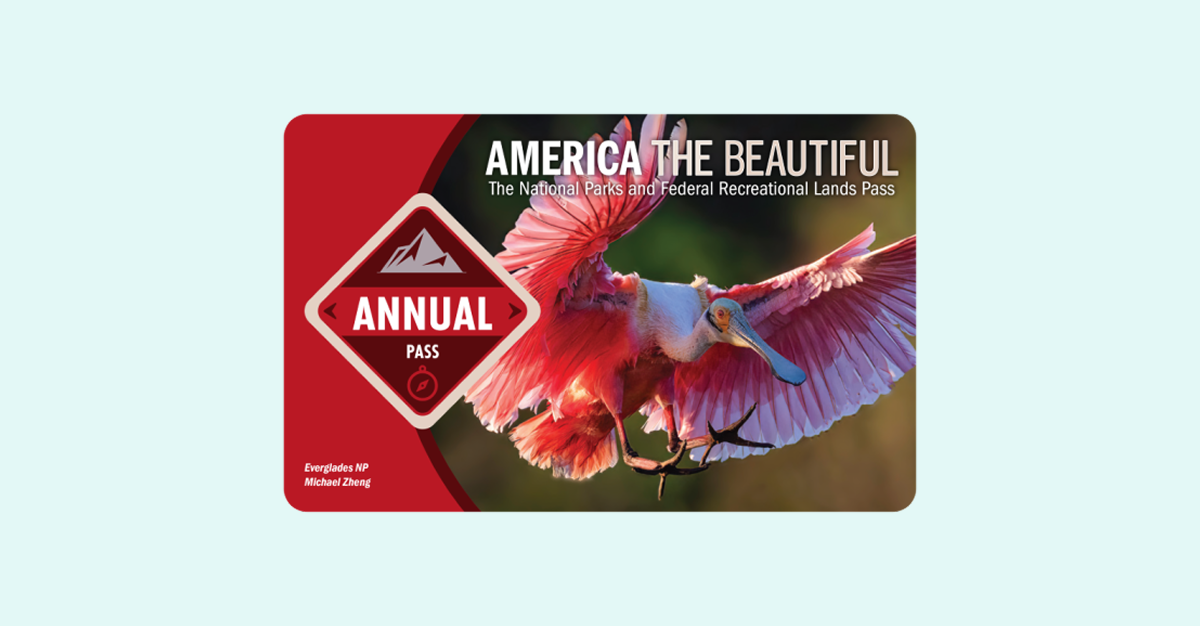
 

13. National Parks Annual Pass

Ideal for: Clients who enjoy traveling, being outdoors, hiking, and recreational activities.

Suggested range: $85 per client ($80 for the pass, $5 for processing fees).

Where to buy:

Why it works

An annual pass to the U.S. National Parks system invites clients to create experiences with the people they care about. It aligns naturally with conversations about using wealth for time, travel, and shared memories. The pass covers entrance fees at thousands of federal recreation sites for a year, so it feels generous without being flashy.


14. Virtual Cooking Class

Ideal for: Couples, families, and busy professionals who want a “night in” that still feels special

Suggested range: Varies, from a pasta-making class for $29 to premium experiences starting at $185 per person.

Where to buy:

Why it works

A virtual cooking class brings families or couples together for a shared experience at home. Providers offer digital gift vouchers that can be redeemed for live or on demand classes, often focused on specific cuisines or techniques. This type of gift is memorable and story-worthy, which means clients are likely to mention it in future conversations. Framing it as “a night in” that they can schedule on their terms respects their time and creates positive association with your practice as a source of enjoyable, low friction experiences.

 

15. Custom Illustrated Family Portrait

Ideal for: Households that enjoy personalized, meaningful gifts, clients who recently experienced a major life event like a new baby, wedding, or moving into a new home

Suggested range: Budget-friendly; $10-$100

Where to buy:

Why it works

A custom family portrait or illustration, often created from a favorite photo and including pets, becomes a highly personal piece of home decor. Many artists let clients customize outfits, poses, and names, turning the illustration into a keepsake. This gift says very clearly that you see the family behind the balance sheet. It fits beautifully with estate and legacy planning since it will often hang in a central spot at home and be seen by multiple generations, quietly keeping your relationship in the background of family life.


A Brief Compliance Reminder

This guide is for general informational purposes. It is not legal, tax, or compliance advice. For advisors affiliated with broker-dealers, gifts provided in connection with business are typically subject to limits under your firm’s policies and may also be limited by rules such as FINRA Rule 3220, often referred to as the “Gifts Rule.” The current version of Rule 3220 generally prohibits giving more than $100 per recipient per year in business-related gifts and requires firms to keep specific records.

FINRA has proposed increasing that limit, and the Securities and Exchange Commission is still reviewing the proposal, including a potential move toward a higher cap per person per year. Your firm may also apply stricter policies than the rule itself.

Practical guardrails to keep in mind:

  • Confirm your firm’s written policy on gift limits, aggregation, and approval workflows.
  • When in doubt, favor lower-value, widely scalable gifts that are clearly business-related or de minimis.
  • Keep simple records showing what you sent, to whom, and the approximate value.
  • When you are an RIA or dual registrant, coordinate across entities so gifts are treated consistently.

When you are unsure, your compliance team is the best source of current, firm-specific guidance.


Using Holiday Gifting to Reinforce Your Brand

Holiday gifting is most effective when it is intentional. The goal is not to “wow” clients with price, but to choose gestures that quietly reinforce who you are as an advisor.

  • Gifts that highlight family, memory, and legacy support your positioning as a long-term planner.
  • Gifts centered on learning, wellness, and experiences underscore your role as a partner in their whole life, not just their investments.
  • Thoughtful personalization, even at modest price points, signals that you listen carefully and remember what matters.

When you select gifts through that lens, each package or email is another touchpoint in a consistent client experience. Over time, that consistency builds familiarity and trust, which is ultimately more valuable than any single gift.